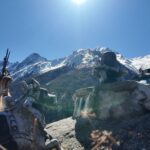
Winter treks in the Himalayas offer an entirely different perspective of the mountains, transforming familiar trails into magical landscapes covered in pristine snow. From December to March, the region experiences heavy snowfall that blankets forests, meadows, and mountain passes in white, creating postcard-perfect scenery. Treks like Kedarkantha, Brahmatal, Dayara Bugyal, and Kuari Pass become especially popular during winter for their accessibility and breathtaking views.
Get Best Deals with Trekeasy
Walking through snow-laden pine and oak forests, crossing frozen streams, and camping under star-filled skies bring a sense of adventure and solitude rarely found in other seasons. The silence of winter, broken only by the crunch of snow underfoot, adds a meditative quality to the journey. Sunrise and sunset views during winter treks are exceptionally dramatic, with snow peaks glowing in shades of gold and pink. For trekkers, winter in the Himalayas is not just about reaching a summit—it is about experiencing raw nature in its purest, most peaceful form.
While winter treks in the Himalayas are visually stunning, they also demand proper preparation and respect for mountain conditions. Low temperatures, snow-covered trails, and shorter daylight hours make winter trekking more challenging than summer routes. Trekkers must be equipped with insulated clothing, waterproof boots, gaiters, microspikes, and reliable trekking gear to stay safe and comfortable. Experienced trek guides play a crucial role in navigating snowbound trails, assessing weather conditions, and ensuring group safety.
Try your best in 2026 to get your body and soul rejuvenated.